Ο Έλληνας κοινωνιολόγος-βιολόγος, καθηγητής του Yale, Νικόλας Χρηστάκης, με μια ανάρτησή του στο Twitter αναφέρει ότι αν τα σχολεία κλείσουν πριν εμφανιστεί ο κορονοϊός σε αυτά, τότε οι πιθανότητες να εξαπλωθεί μειώνονται κατά 26% και η εξάπλωσή του καθυστερεί 16 ημέρες. Εν συνεχεία, δήλωσε ότι ορθώς η ιταλική κυβέρνηση έκλεισε τα σχολεία τώρα που είναι ακόμα νωρίς, καθώς δεν πρέπει να περιμένει να εξαπλωθεί ο ιός και στους πανεπιστημιακούς και σχολικούς χώρους.
Ποιος είναι ο Νικόλας Χρηστάκης
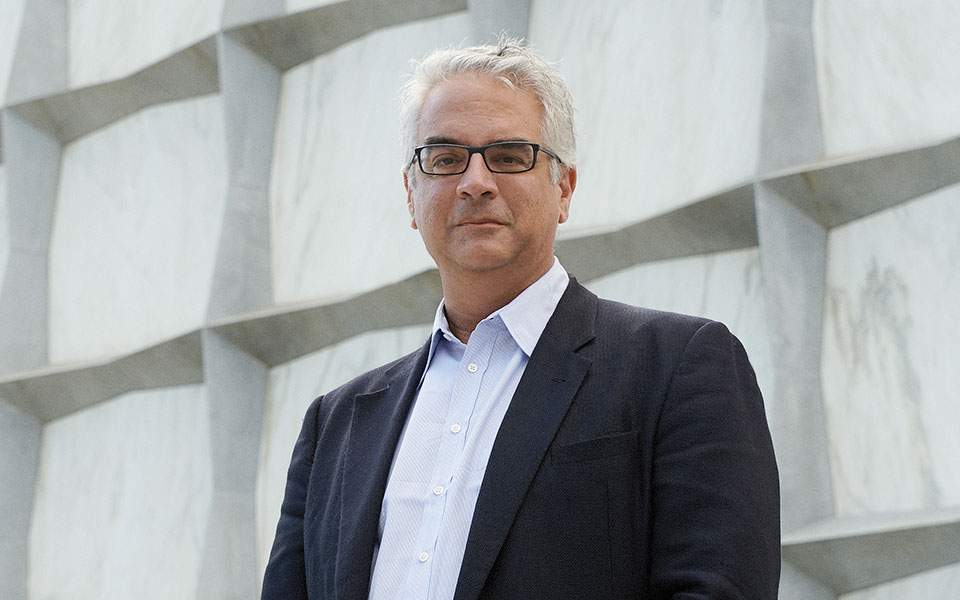
Ο Νικόλας Χρηστάκης είναι κάτοχος της έδρας Sterling στις Φυσικές και Κοινωνικές Επιστήμες στο Πανεπιστήμιο Γέιλ (πρόκειται για την κορυφαία ακαδημαϊκή βαθμίδα του ιδρύματος, που απονέμεται ανά πάσα στιγμή σε 40 μόνο μέλη του διδακτικού προσωπικού), συγγραφέας ευπώλητων βιβλίων και ένας εκ των 100 ανθρώπων με τη μεγαλύτερη επιρροή διεθνώς σύμφωνα με το περιοδικό Time για το 2009,
Δείτε τις αναρτήσεις του καθηγητή
Nicholas A. Christakis@NAChristakisBut school closures and NPI must be applied *early*. Compare St. Louis and Pittsburg in the 1918 influenza pandemic. St. Louis closed its schools *before* local cases had doubled, and for longer, than Pittsburg. It had many fewer excess deaths. #COVID19 #schoolclosure 6/


Nicholas A. Christakis@NAChristakisDetailed modeling of NPI in 2006 @nature paper shows that if school closure is *reactive* (waiting for first case and then closing 100% of schools), with moderately transmissible virus, cumulative cases decline 26% & epidemic peak is delayed 16 days. https://www.nature.com/articles/nature04795 … 7/
Strategies for mitigating an influenza pandemic
Numerical models of the epidemiology of a potential flu pandemic show there is no single magic bullet which can control the outbreak, but that a combination of approaches could reduce transmission…
nature.com

Nicholas A. Christakis@NAChristakisDetailed modeling of NPI in 2006 @nature paper shows that if school closure is *reactive* (waiting for first case and then closing 100% of schools), with moderately transmissible virus, cumulative cases decline 26% & epidemic peak is delayed 16 days. https://www.nature.com/articles/nature04795 … 7/
Strategies for mitigating an influenza pandemic
Numerical models of the epidemiology of a potential flu pandemic show there is no single magic bullet which can control the outbreak, but that a combination of approaches could reduce transmission…
nature.com
Nicholas A. Christakis@NAChristakisSo reactive school closure, while rational & helpful, is not enough. In my view, schools should be closed *before* first case in a school, when cases appear in the community or in nearby areas. This is not without costs. But waiting reduces the benefits of #schoolclosure. 8/
Nicholas A. Christakis@NAChristakisAn inventive 2007 study by @HowardMarkel et al in @JAMA_current examined impact of school closures and other NPI, and their precise timing, in the 1918 influenza pandemic, looking at 43 major USA cities. https://jamanetwork.com/journals/jama/fullarticle/208354 … 3/
Nonpharmaceutical Interventions Implemented by US Cities During the 1918-1919 Influenza Pandemic
Context A critical question in pandemic influenza planning is the role nonpharmaceutical interventions might play in delaying the temporal effects of a pandemic, reducing the overall and peak attack…
jamanetwork.com

Nicholas A. Christakis@NAChristakisThe *earlier* that schools were closed (ideally even in *advance* of outbreaks) the lower the number of excess deaths in 43 US cities during the 1918 Influenza pandemic. #COVID19 #schoolclosure 4/